
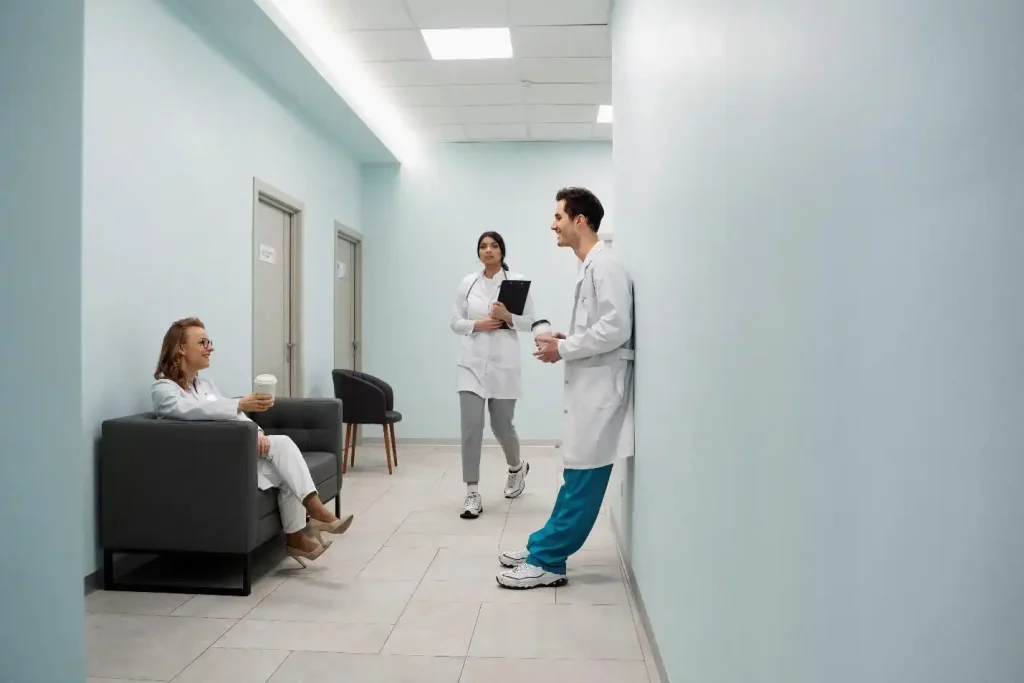
A walk-in medical office and urgent care clinics provide accessible healthcare without prior appointments. They serve as a critical alternative to traditional primary care when immediate attention is required. It helps patients reduce non-emergency visits while offering flexible, transparent, and cost-effective care for minor illnesses or injuries.
The need for these walk-in offices has surged in the last couple of years. However, demand for these care centers is expected to continue growing. This comprehensive guide explains why these care centers are in demand in 2026.
1. Unmatched Convenience
One of the primary reasons these clinics are the preferred choice for people is their convenient healthcare options. Unlike traditional healthcare clinics or hospitals, where patients need to schedule an appointment to see their primary care doctor, a walk in medical office allows patients to see the doctor directly on a first-come, first-served basis without an appointment.
Further, these clinics offer extended hours, including evenings and weekends, to ensure that patients can access medical assistance outside regular business hours.
2. Significant Cost Savings
The second reason these clinics are in demand in 2026 is their cost-effective healthcare facilities. Walk-in offices are more economical than emergency departments because, in many cases, seeking treatment there is less expensive, especially for non-emergency conditions.
This affordability and flexibility make medical walk-in offices the best option for patients seeking quality care without the financial burden of each visit.
3. Reduced ER Burden
Quick access to medical care is a hallmark of walk-in medical offices. By promptly treating minor fractures, sprains, and infections, walk-in clinics ease pressure on hospital emergency departments and reduce long wait times.
While emergency departments prioritize life-threatening emergencies, walk-in medical offices treat patients with non-emergency or non-life-threatening conditions that require immediate attention.
As a result, patients receive prompt, reliable treatment, reducing the ER burden. This speed also makes walk-in medical offices an appealing option for patients seeking effective, timely healthcare.
4. Comprehensive Services
The medical walk-in offices offer a wide range of services, including diagnostic tests, treatment for minor injuries, infections, and illnesses, and vaccinations. Furthermore, most of these clinics have on-site diagnostic facilities, such as laboratory testing, blood sampling, X-rays, and ultrasounds, enabling them to provide comprehensive care without referrals or additional appointments.
Visiting these clinics for non-emergency conditions saves patients time and enables them to access comprehensive medical care under one roof.
5. Gaps in Primary Care
Walk-in medical offices serve as a bridge between primary care physicians and the emergency department because primary care physicians are often busy or have limited availability during peak hours, evenings, and weekends. These offices provide essential primary care services to patients who need them.
They treat medical conditions that require immediate attention but are not life-threatening. This relieves the burden on the emergency department and primary care physicians, allowing them to focus on critical cases.
Bottom Line
The market for walk-in medical offices is in demand and will continue to grow in the coming years. According to an online estimate, the walk-in clinic market is projected to reach about $10 billion globally, reflecting a shift in how modern consumers manage their health.