
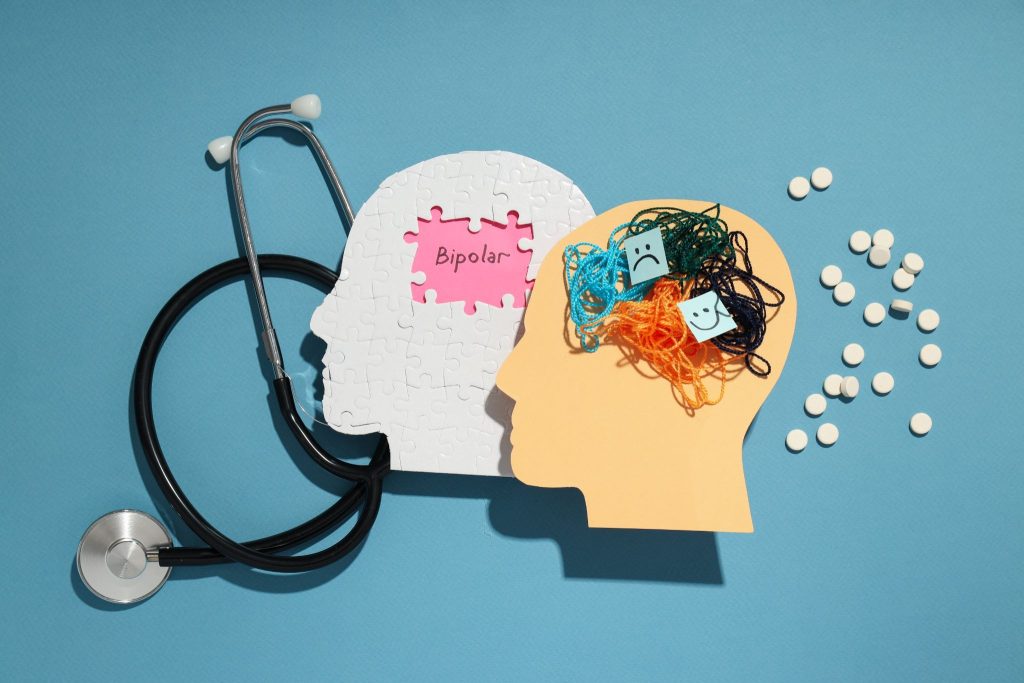
Mental health care refers to the range of services, treatments, and support systems designed to help people manage emotional, psychological, and behavioral challenges. It includes therapy, counseling, psychiatric treatment, and preventive support. In today’s world, mental health care is no longer seen as optional. It is considered a core part of overall healthcare.
Modern mental health care focuses on improving quality of life, not just treating illness. It supports people in managing stress, building resilience, and maintaining emotional balance. Unlike older approaches that often focused only on severe conditions, today’s systems address a wide spectrum of needs. This includes everyday stress, anxiety, depression, and long-term mental health conditions.
The Evolution of Mental Health Care Systems
From institutional treatment to community-based care
In the past, mental health care was largely institutional. People with mental illness were often placed in long-term hospitals. These environments focused more on containment than recovery. Over time, this approach was criticized for being isolating and ineffective.
Modern systems have shifted toward community-based care. Patients now receive support while living in their own environments. This allows better social integration and long-term recovery.
Rise of therapy and counseling services
Another major shift has been the rise of therapy. Counseling and psychological therapies are now central to treatment. These approaches focus on conversation, behavior change, and emotional processing. They help individuals understand their thoughts and improve coping strategies.
Integration of mental health into general healthcare
Mental health care is now integrated into general healthcare systems. Doctors regularly screen for psychological conditions during routine visits. This helps identify issues early and improves treatment outcomes.
Key Components of Mental Health Care
Mental health care is not a single service. It is a system made up of several components working together.
Diagnosis is the first step. Professionals assess symptoms and identify conditions. Therapy follows, where individuals work through emotional and behavioral challenges. Medication may be used in some cases to support brain chemistry balance.
Preventive care is also important. This includes education, awareness programs, and early intervention strategies. Together, these components create a structured approach to supporting mental well-being.
Why Mental Health Care Is Essential in Today’s Society
Modern life has increased the importance of mental health care. People face constant pressure from work, social expectations, and digital environments. Stress levels are higher than in previous generations.
Awareness of mental health has also increased. People are more open to discussing emotional challenges. This has reduced stigma and encouraged more individuals to seek help.
Workplace pressure and mental health challenges
Work environments can contribute significantly to stress. Long hours, high expectations, and job insecurity can affect emotional well-being. Mental health care helps individuals manage this pressure and maintain performance.
Social isolation and digital dependency
Despite being more connected digitally, many people experience social isolation. Excessive screen time and online comparison can affect self-esteem. Mental health care addresses these issues through awareness and coping strategies.
How Mental Health Care Supports Individuals
Mental health care plays a direct role in improving daily life. It helps individuals build emotional resilience, which is the ability to recover from stress and challenges.
It also improves relationships. When people understand their emotions better, they communicate more effectively. This reduces conflict and strengthens personal connections.
Self-awareness is another key benefit. Therapy helps individuals understand their thoughts and behaviors. This leads to personal growth and better decision-making in life.
Role of Professionals in Mental Health Care
Mental health care involves different types of professionals. Psychiatrists focus on diagnosis and medication management. Psychologists provide therapy and psychological assessments. Therapists and counselors offer structured emotional support.
These professionals often work together as a team. This multidisciplinary approach ensures that patients receive comprehensive care.
Patient-centered communication in care delivery
Effective mental health care relies on communication. Professionals listen carefully and tailor treatment to individual needs. This patient-centered approach improves trust and engagement.
Importance of trust and confidentiality
Confidentiality is essential in mental health care. Patients must feel safe sharing personal experiences. Trust builds stronger therapeutic relationships and improves outcomes.
Mental Health Care in Schools, Workplaces, and Communities
Mental health care is no longer limited to clinics. It is now part of schools, workplaces, and communities.
In schools, early intervention programs help students manage stress and emotional challenges. This supports better academic and social development.
Workplaces are also introducing mental health programs. These initiatives focus on reducing burnout and improving employee well-being.
Community-based programs raise awareness and provide support at a broader level. They help normalize conversations around mental health.
Barriers to Accessing Mental Health Care
Despite progress, access to mental health care is still limited in many regions.
Stigma remains a major barrier. Some individuals avoid seeking help due to fear of judgment. Cultural beliefs can also influence attitudes toward mental health.
Financial limitations are another challenge. Therapy and treatment can be expensive. In some areas, there are not enough trained professionals available.
Lack of awareness also plays a role. Many people do not recognize early signs of mental health issues. These barriers prevent timely support and recovery.
Technology and the Future of Mental Health Care
Technology is transforming mental health care. Teletherapy allows people to access support remotely. This is especially helpful in rural or underserved areas.
Digital platforms also offer self-help tools and guided therapy programs. These make mental health support more accessible.
Artificial intelligence is being used to analyze patterns and detect early signs of distress. While still developing, these tools show strong potential.
Technology is making mental health care more flexible and scalable. However, human interaction remains essential for effective treatment.
Preventive Approaches in Mental Health Care
Prevention is becoming a key focus in mental health care. Early detection helps reduce the severity of conditions.
Lifestyle factors also play a role. Regular sleep, exercise, and healthy routines support emotional stability.
Education is another preventive tool. Awareness programs help people recognize symptoms early. This encourages timely intervention and reduces long-term impact.
Final Reflection on the Importance of Mental Health Care
Mental health care is essential for building healthier individuals and societies. It supports emotional stability, improves relationships, and enhances overall quality of life.
The importance of mental health care continues to grow as modern life becomes more complex. With increasing awareness, better systems, and improved access, more people can receive the support they need.
The future of mental health care lies in integration, accessibility, and prevention. As society continues to evolve, mental health will remain a central part of overall well-being.